
My kingdom is more than six times larger than the plant kingdom, with an estimated 3.8 million species. But how can all these species be distinguished from one another?
Methods for Fungal Systematization
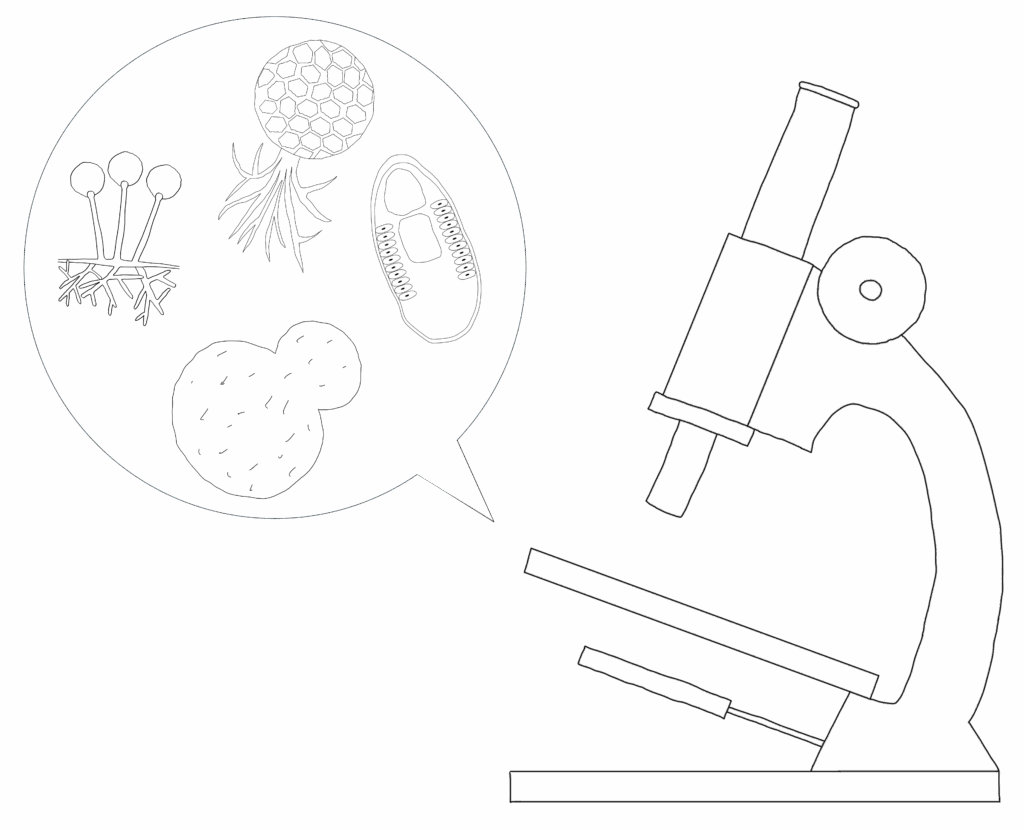
In the past, fungi were identified by sight, smell, and touch. Macroscopic characteristics such as color, shape, and odor were observed. It was assumed that species that looked similar were also closely related. Over time, new methods for fungal identification were developed. Microscopy helped to recognize finer details that are not visible to the naked eye. This allowed more species to be discovered and distinguished based on their external characteristics. The biggest change in fungal research was brought about by DNA analysis. With it, researchers can examine the genetic material of fungi and thus find out how closely related different species really are. This revealed surprising findings: Some fungi that look strikingly similar externally are not as closely related genetically as was previously thought. Despite these advances, it is still difficult to classify fungi precisely according to their relationships. This is mainly because many species remain undiscovered to this day. This has created large gaps in our knowledge of how fungi have evolved over time. Therefore, when classifying fungi, one often still relies on form classes – i.e., external characteristics such as appearance and shape. This is particularly practical when collecting mushrooms in the forest, as genetic relatedness is less important than the question: Edible or poisonous?
What Fungal Species Exist?
Based on DNA analyses, six groups can be distinguished.
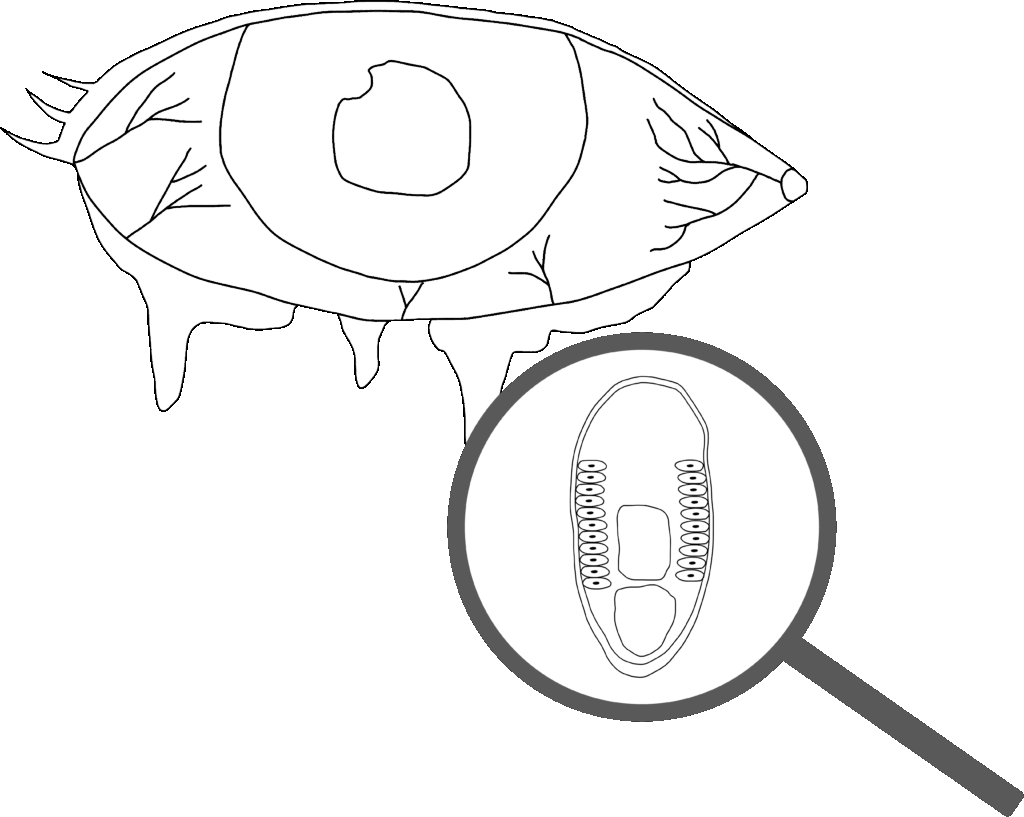
1. Microsporidia: These are the smallest fungi – and even the smallest known organisms with a cell nucleus! They consist of only one cell and live as parasites in animals, sometimes also in humans. In healthy people, they cause at most mild diarrhea or eye infections. However, for people with weakened immune systems, such as HIV patients, they can have dangerous effects.
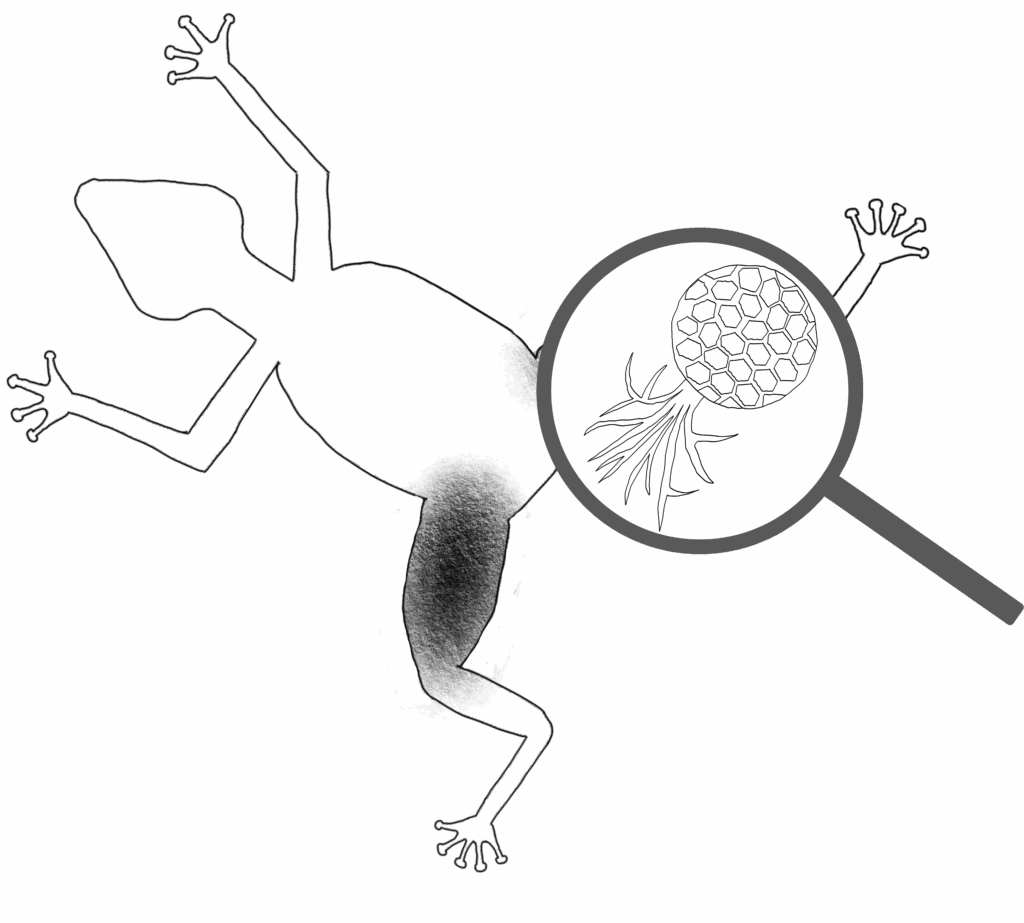
2. Chytrids: These fungi mostly live in water. They are often single-celled and parasitic. Their spores have small flagella, which are thread-like appendages, with which they can move in water. Researchers suspect that all fungi originally possessed such flagella, as they evolved from aquatic ancestors. With the colonization of land, however, these became superfluous and were lost in most fungal groups over the course of evolution. A serious example of the effect of chytrids is the mass extinction of amphibians in Australia and South America – the animals there were infected by a chytrid fungus.
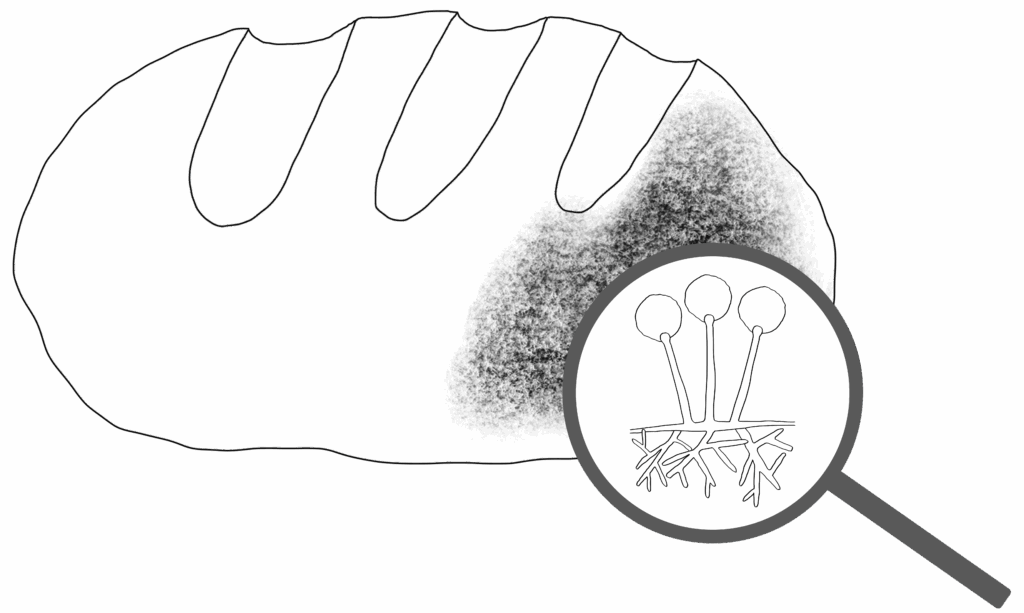
3. Zygomycetes: They live almost exclusively on land and can form a network of thread-like cells, the so-called mycelium. Unlike in other fungal groups, these threads are not separated by cell walls. Many molds, such as bread mold, belong to this group.
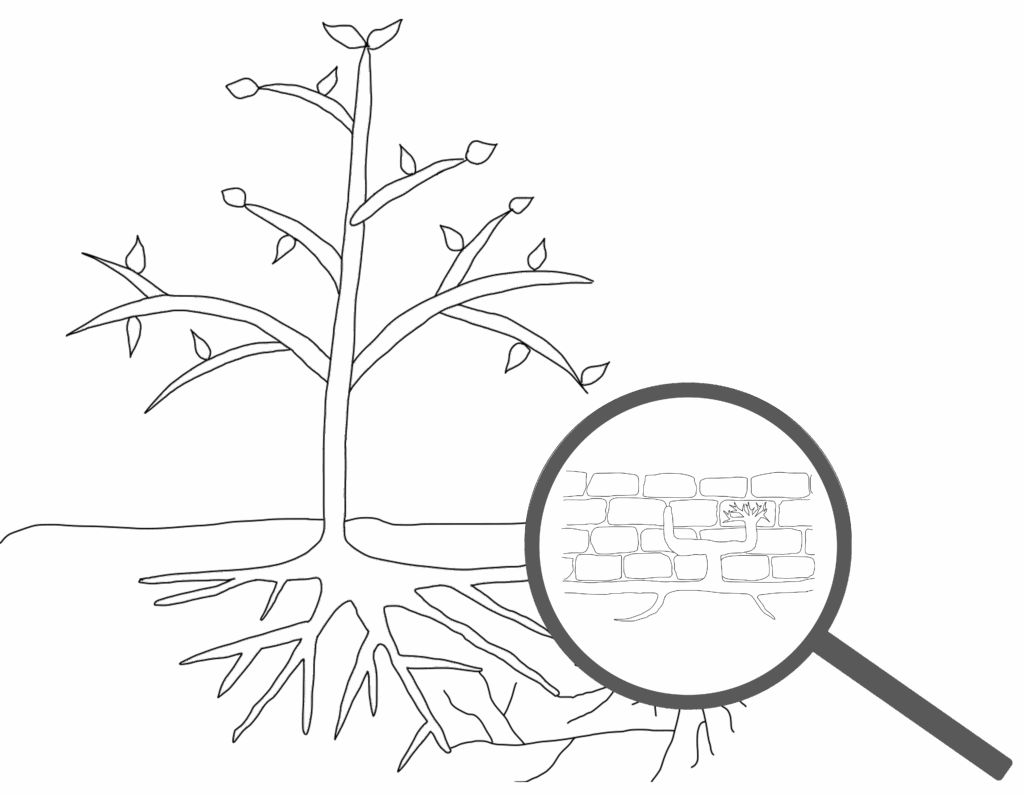
4. Arbuscular Mycorrhizal Fungi: Mycorrhizal fungi live in close community with plants: they supply water and nutrients from the soil and receive sugar from the plant in return. Arbuscular mycorrhizal fungi – the largest group of these symbiotic fungi – form particularly close connections. Their fine fungal threads penetrate directly into the plant roots to provide them with even better nourishment. Since they grow underground and do not form visible fruiting bodies, they remain invisible to us.
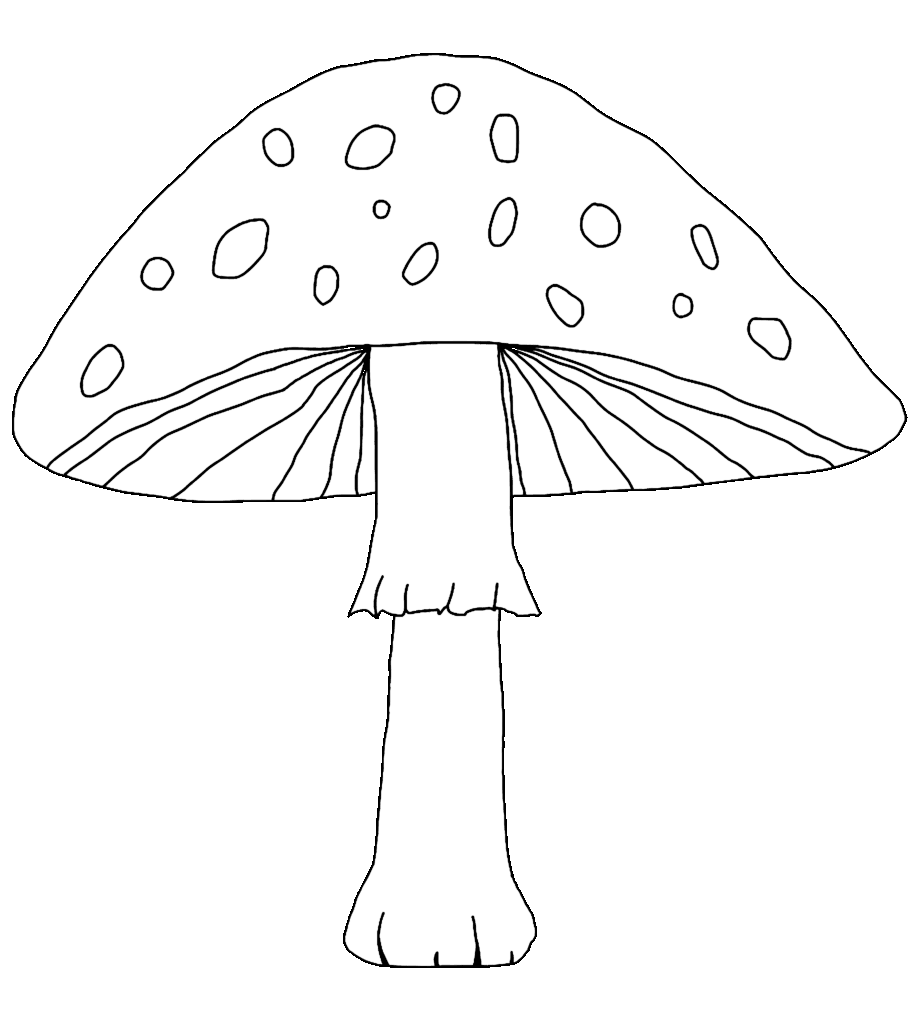
5. Basidiomycetes: These fungi are particularly well-known because they form the typical fruiting bodies in forests – from cap mushrooms to spherical puffballs to bracket fungi. Many basidiomycetes live in mycorrhizal symbiosis with trees. Other species parasitize plants, decompose dead wood, or even grow on other fungi. Some yeasts also belong to the basidiomycetes, but play a less obvious role in everyday life.
6. Ascomycetes: This fungal group is extremely diverse and we often encounter it in everyday life. Many yeasts belong to this group, including the well-known baker’s yeast, which is used for the production of bread, beer, and wine. Some intestinal fungi also belong to the yeasts. Along with Zygomycetes, Ascomycetes are one of the two fungal groups from which molds have evolved. Some spoil food like fruit, while others are useful, like the Penicillium fungus, from which antibiotics are derived. Less commonly, there are also mycorrhizal fungi among them that live in association with plants. These include, for example, truffles and morels, which form underground or above-ground fruiting bodies and are valued as delicacies.
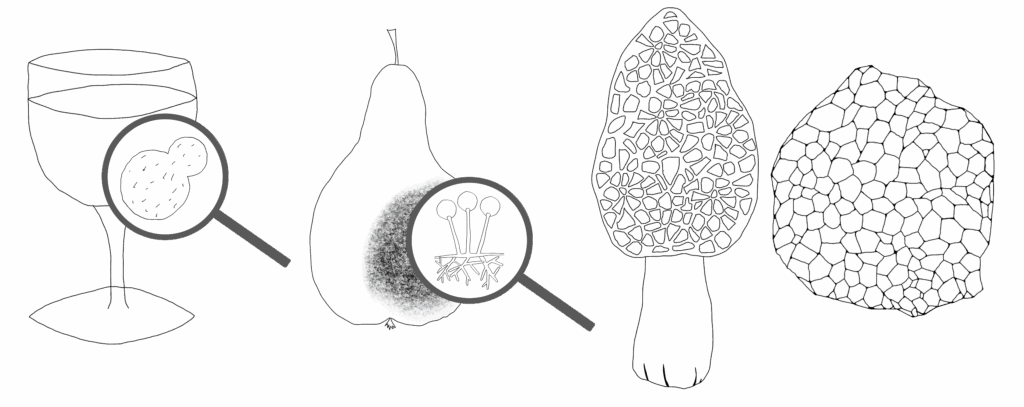
Match the different fungal species to the corresponding images. The images with a light blue border show the appearance of the fungus, the images with a dark blue border show its occurrence.
Although this classification is based on genetic analyses, it is not final. Research into the genetic diversity of fungi is still in its early stages, and future findings may further change the classification. Nevertheless, this classification helps to understand the wide range of fungal species and their habitats. Molds, in particular, show that similar fungi can have very different effects – some are beneficial, others harmful. But what makes a fungus a friend or a foe?
What Makes a Fungus a Foe?
Fungi play an important role in nature by decomposing old materials and thus releasing nutrients. This ability is often useful – but not always desirable. For example, a fungus that breaks down wood can become a problem if it spreads in buildings and destroys the building material. Even more disturbing is the thought that some fungi can even attack and break down tissues or organs of animals. An imbalance can also arise in the human body due to fungi. Yeasts are a natural component of the gut flora, but if they multiply uncontrollably, they can inhibit the growth of important bacteria that also live in the gut and disrupt the balance in the intestines. Furthermore, there are fungi that produce toxic substances – so-called mycotoxins – which can cause diseases or allergic reactions. Despite these risks, most fungi are neither harmful to humans nor to nature. On the contrary – they are indispensable for a healthy ecosystem!