
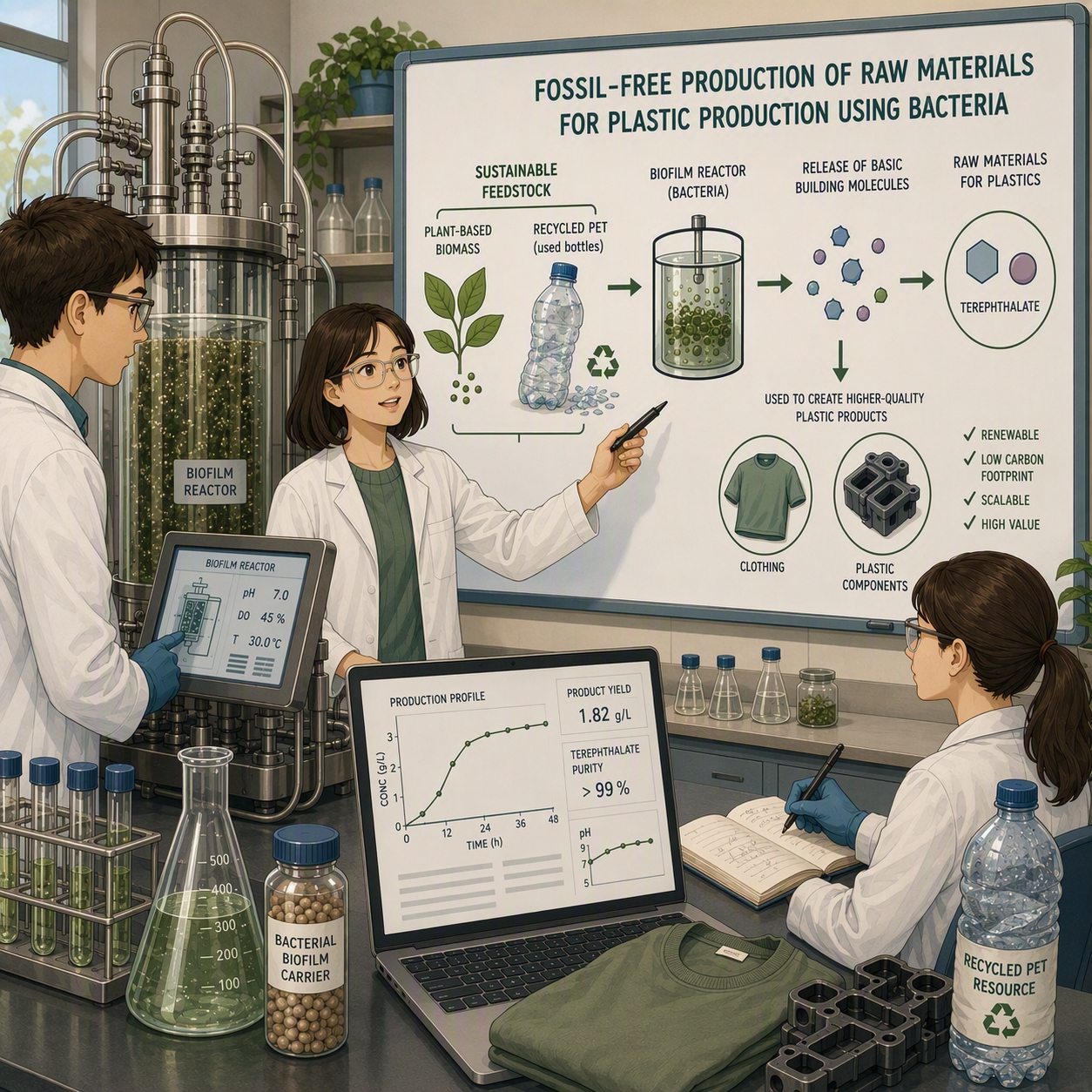
A unique form of life among microorganisms is the community that forms in gel-like biofilms. It is a complex community, usually consisting of different species of microorganisms, that attach themselves to surfaces and form a protective gel-like layer around themselves. Biofilms are found, for example, on slippery rocks in water, as the slimy film in water containers, or as the “microbiome” in the gut and plaque on teeth. In nature, microorganisms almost never live alone but very often as a community within biofilms. They are the predominant form of life in our natural world. Unlike free-floating individual planktonic cells, organisms in a biofilm are very well protected from adverse conditions and enjoy many advantages from living in a community. In biotechnology, however, microorganisms that produce certain chemical substances are usually cultured as individual cells rather than in biofilms. As a result, many of the advantages of this way of life have so far remained untapped in biotechnology.
To take advantage of the protective and adaptive benefits of natural biofilms for use in biotechnological processes in the future twelve interdisciplinary research groups are working together. The researchers want to find better ways in order to synthesize various raw materials used in our daily lives more economical and sustainable way. The German Research Foundation (DFG) is funding the Priority Program “Productive Biofilm Systems” (SPP 2494), in which twelve leading research More than 5,000 years ago, people began using what are known as microorganisms, tiny living organisms. Without realizing that these were microorganisms for example such as yeast or yoghurt cultures, they were used to make bread, yogurt, and beer. Later, biotechnological processes using microorganisms were developed to produce certain types of penicillin, food products, enzymes, biofuels, or to treat wastewater.
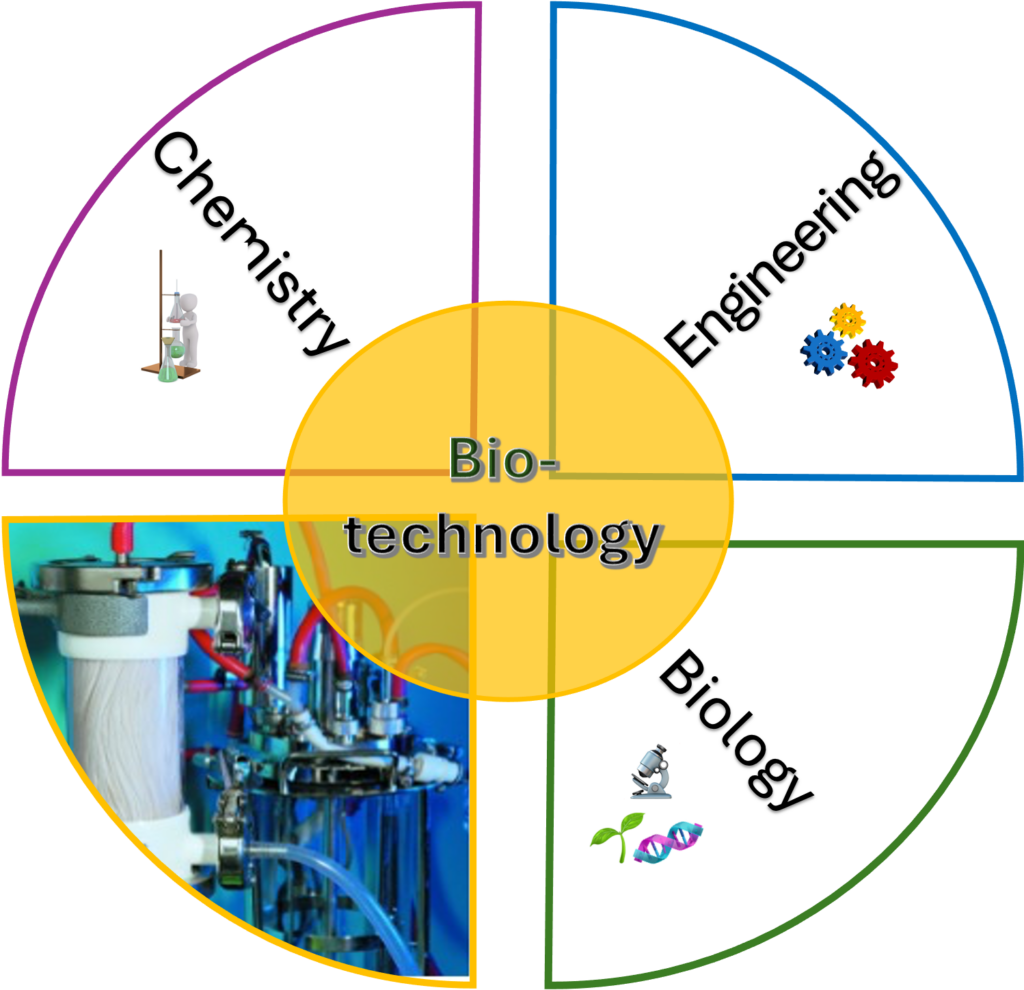
In biotechnology, however, microorganisms that produce certain chemical substances are usually cultured as individual cells rather than in biofilms. As a result, many of the advantages of this way of life have so far remained untapped in biotechnology.groups from across Germany are collaborating. Biotechnologist, biologists, process engineers, and chemists are investigating which factors determine the growth, stability, and performance of biofilms and what conditions are necessary for their successful application in biotechnological processes.
We are now launching the mission “Biofilms: Micro factories of the Future?”: You’ll gradually discover which biofilms you’ve already encountered and how nature uses biofilms. You’ll get an up-close look at the research and learn how researchers are investigating which methods are best suited for developing sustainable and more cost-effective biotechnological production processes.
Explore the website of the priority program ProBioS now and dive into the world of productive biofilms today.