
Several examples of applications were already mentioned in the intro video; here are more examples.
Analysis
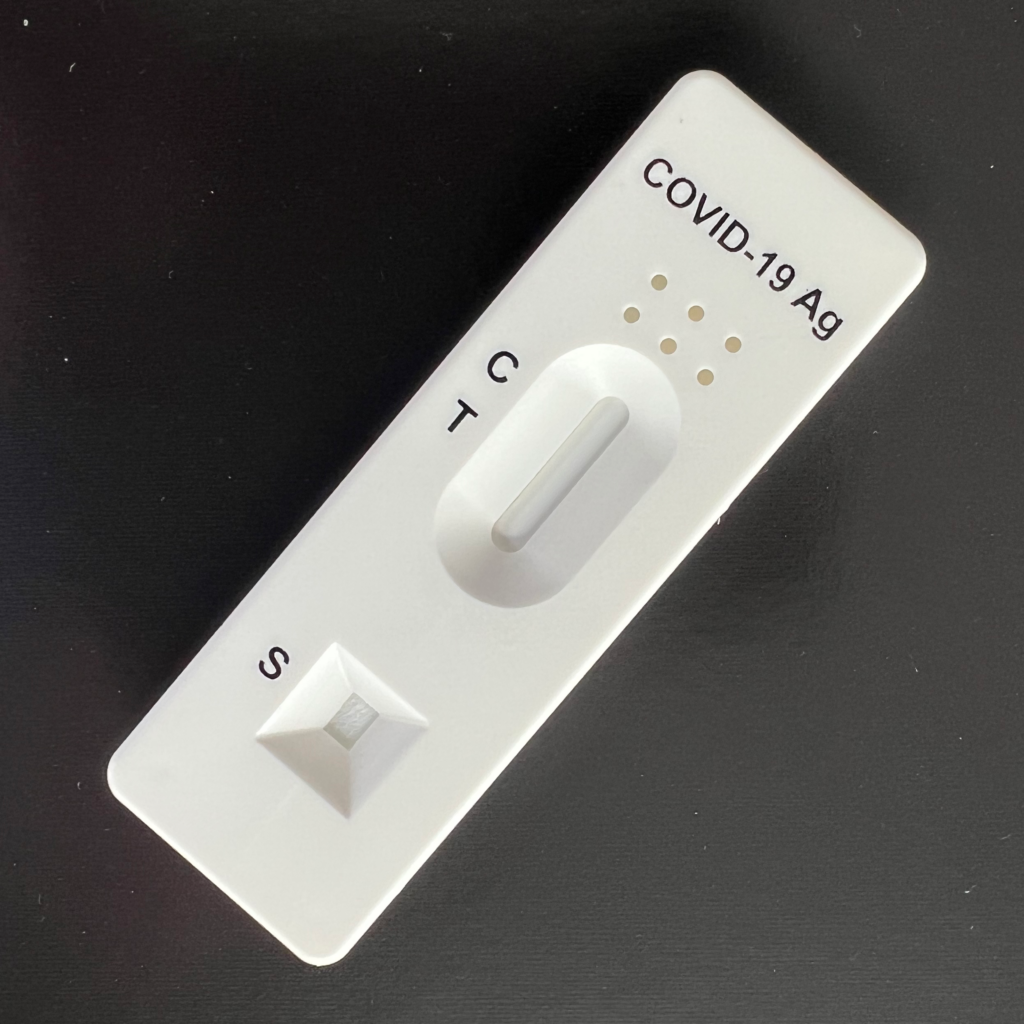
Everyday life: Is someone Corona-positive, i.e., is the Corona antigen detectable in them? Are you interested in how a Corona test works? Take a look at this excursion.

Forensics: e.g., forgery of checks (from €200 becomes €2000, different ballpoint pens) – With which felt-tip pen/with which ink was something written? Have documents, wills, or checks been forged?
Food analysis: Is there alcohol in non-alcoholic beer? Does the tea contain pollutants?
Research: Are there impurities in the medication?
Doping analysis/sports:
Has this athlete taken a doping agent?
Environmental analysis: Is this body of water contaminated with chemicals?
Chemistry lab: Identifying ingredients or determining the proportions of components:
How much of the starting material is still in the sample, or how much of the product has already been formed?
Have any impurities or byproducts been formed? Examine pure substances or mixtures for impurities or admixtures.
Production

Large-scale industrial production: separating different components in products -> substances are isolated or purified (e.g., water -> production of “distilled,” more precisely, demineralized water, or removal of heavy metals).
Chemical and pharmaceutical production: When a substance is produced, other substances are formed during the chemical reaction. Chromatographic separation methods can be used to separate the desired substance from the unwanted byproducts.
If you are interested in further applications of chromatography, you can find more information on this page, which links to topics and websites.