

As you just learned, we reproduce via spores. Most edible mushrooms develop a fruiting body with a cap and stem, in which the spores are located. Many of these mushrooms grow wild and can be collected in forests. However, caution is advised when picking: many edible species have poisonous look-alikes that often differ from us only by tiny details.
How are mushrooms cultivated?
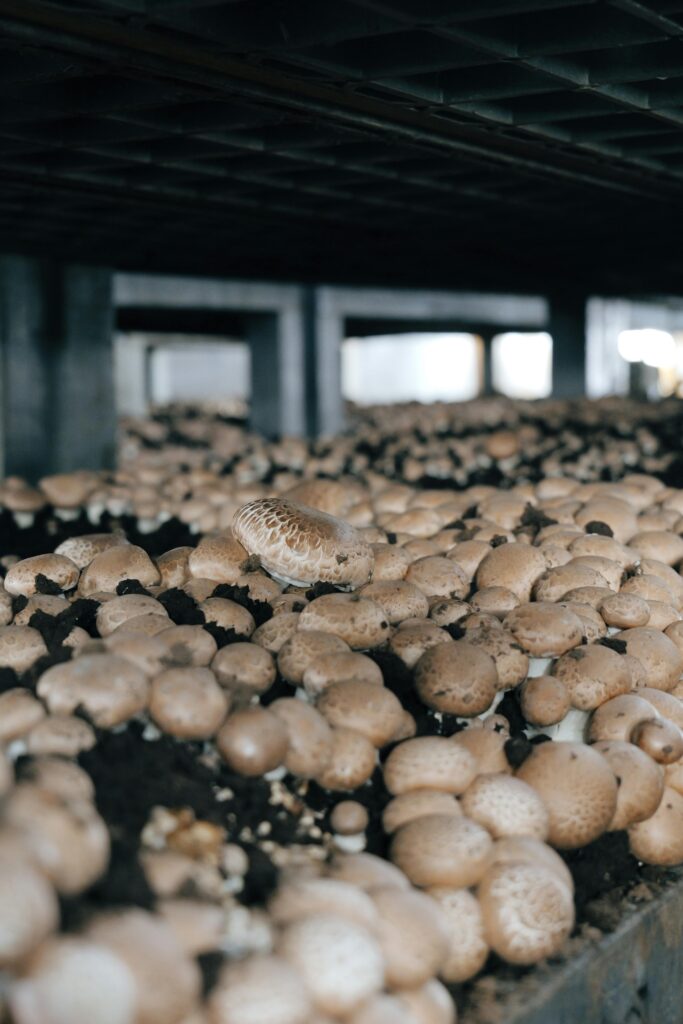
A safe alternative to mushroom picking in the forest is to opt for cultivated mushrooms. These are grown in special facilities under controlled conditions. The majority of mushrooms offered in supermarkets come from such mushroom cultivation. Mushroom cultivation in a professional environment also begins with spores: they are sown on sterile nutrient media such as agar plates, where they grow into fine, white mycelium. This mycelium is further propagated, either in so-called liquid cultures, where it grows in liquid nutrient solutions, or on grain. The mycelium on grain is called grain spawn. Grain spawn serves as a starter culture and is later transferred to larger substrates. Depending on the mushroom species, different substrates are used. Mixtures containing straw, compost, or wood components are usually used. These substrates are first pasteurized or sterilized to remove unwanted microorganisms. In large cultivation halls, where temperature, humidity, and light are precisely regulated, the mushroom fruiting bodies gradually grow from the substrates inoculated with spawn. Once they have reached their typical shape and size, they are harvested, packaged, and sent to the supermarket.
Why is cleanliness essential in mushroom cultivation?
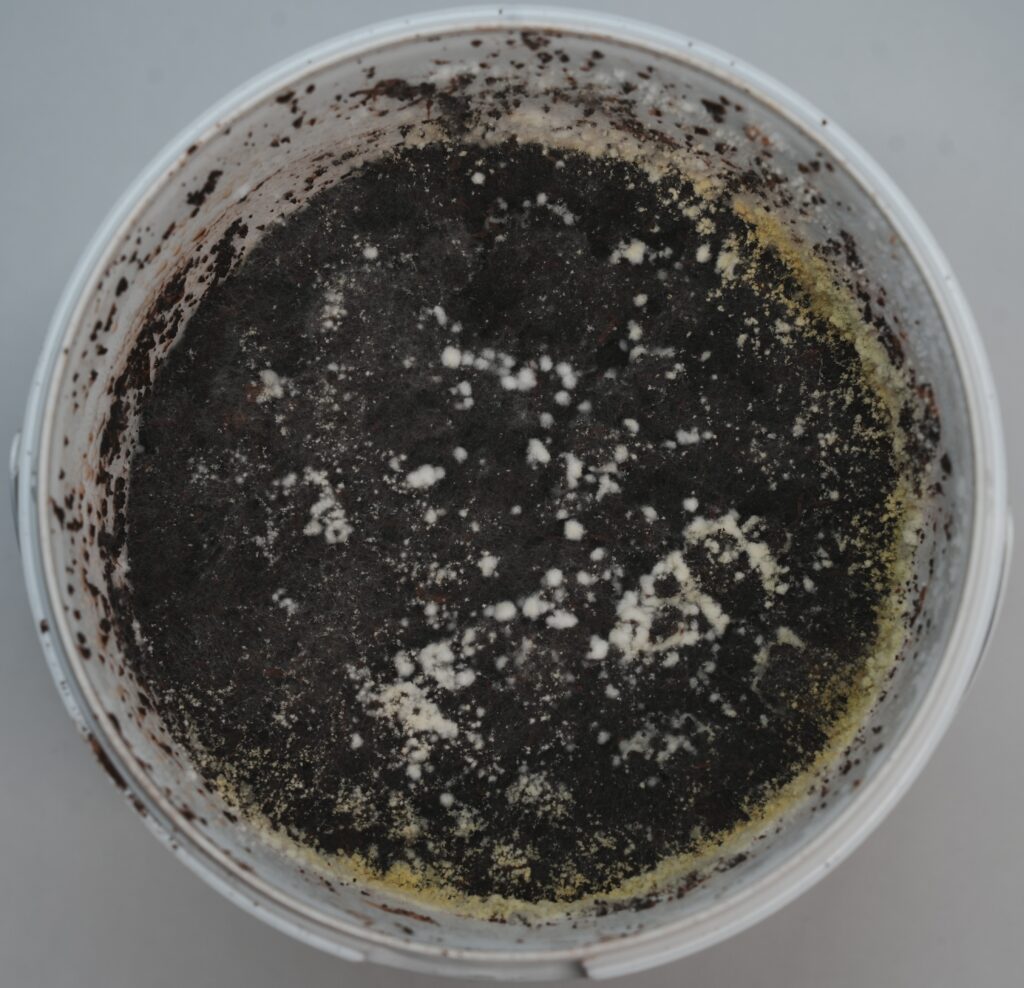
Mushrooms are extremely sensitive to contamination during their growth. Molds and other unwanted species often grow faster under the same conditions and can displace the desired mushroom mycelium. In the world of mushrooms, there is a real competition for space and nutrients. Some mushroom species even produce substances that inhibit the growth of their competitors. Mold, in particular, is a fast and adaptable opponent. Once on the substrate, it spreads and deprives the edible mushroom of its livelihood. For the desired mushroom to have any chance at all, a sterile environment is necessary.
And how does it work at home?
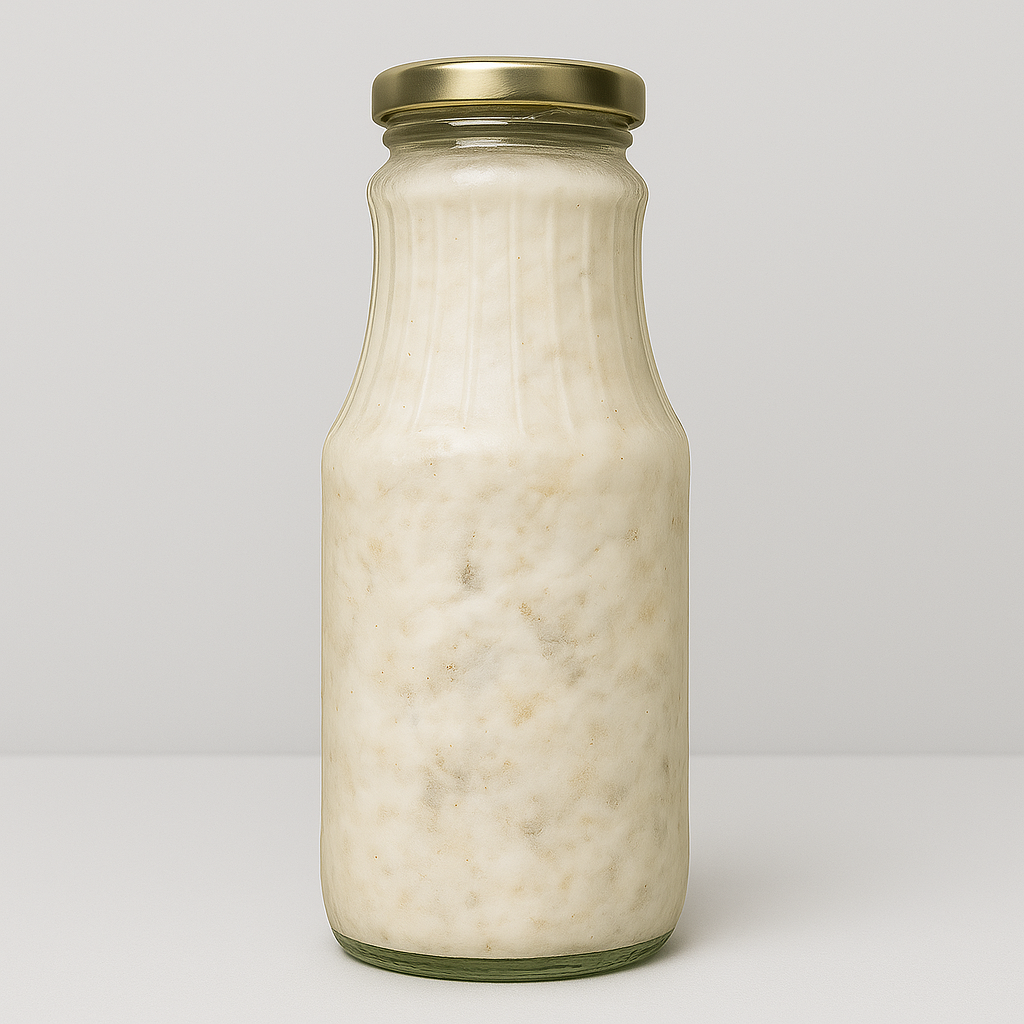
Creating sterile conditions like in a laboratory in a normal household is hardly possible. Cultivation from spores is therefore only successful with a lot of experience and extensive sterilization, for example, using a pressure cooker. However, there is a simple and safe alternative: mushroom spawn. This is already sterile, pre-cultivated mushroom mycelium that grows on a carrier material such as grain or straw. Such mushroom spawn is now offered by various breeders. With this spawn, it is much easier to cultivate mushrooms at home than with spores. The mycelium is already present in high concentration and free of foreign organisms and does not need to germinate and multiply first. A high concentration of the desired mushroom mycelium gives it a competitive advantage: it colonizes the substrate faster and can thus more easily displace unwanted fungi, such as molds. Therefore, using a larger amount of mushroom spawn is generally less risky than a small starting amount. Particularly practical: leftover coffee grounds are suitable as a nutrient medium for many mushroom species. It is rich in nutrients and offers a good growth climate, for example, for oyster mushrooms or king oyster mushrooms. This way, you can easily grow your own fresh mushrooms and even make good use of kitchen waste.
Do you want to grow your own mushroom? On the next page, you will learn step by step how to do it.