
What materials are aerogels made from?
Aerogels can be made from gelling substances such as pudding, jelly, and many plant and animal raw materials. Silicate-based aerogels (i.e., made from sand, so to speak) are the most common. They can also be made from many other materials (even metals!).
At the Institute of Thermal Process Engineering at Hamburg University of Technology, aerogels made from renewable raw materials, so-called biopolymers, are produced in particular.
What are biopolymers?
To understand what biopolymers are, one must first know what polymers are. Polymers are chemical compounds consisting of chain-like or branched molecules (so-called macromolecules). A chemist probably thinks of plastics first, but nature also has many polymers to offer. Biopolymers are a subgroup of polymers. They are mostly of natural origin, but industrially produced polymers can also be called biopolymers if they are biodegradable, meaning they return to the biological cycle.
Biopolymers are sustainable and environmentally friendly due to their production based on renewable raw materials and/or their biodegradability. In addition, some of them occur in large quantities as residues that arise during the processing of food, wood, animals, etc., which would otherwise have to be disposed of as waste. Therefore, it makes sense to develop ideas for these residues on how to obtain valuable products from them. This idea of a circular economy also makes biopolymers particularly interesting for aerogel production!
The table presents some of these biopolymers that can be used as starting materials for aerogels, among others.
| Raw Material | Image | Origin and Use |
|---|---|---|
| Cellulose |
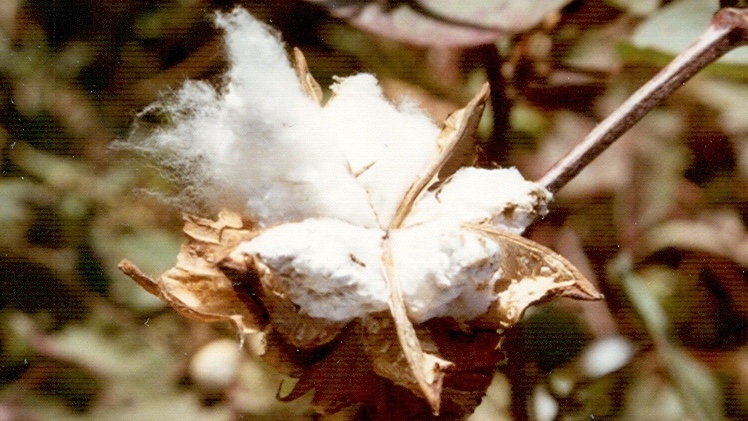 |
Cellulose is the main component of plant cell walls and thus the most abundant biomolecule. Cellulose serves as a basic material in the paper industry. |
| Alginate and Agar Agar |
|
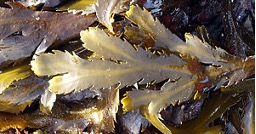
The biopolymer alginate – also known as alginic acid – is mainly obtained from brown algae, which are either collected at low tide or harvested by divers with special boats. Alginate is used, among other things, as a vegan gelling agent in cooking. Agar agar, which is also obtained from algae but gels slightly differently, is more common. |
| Starch |
|
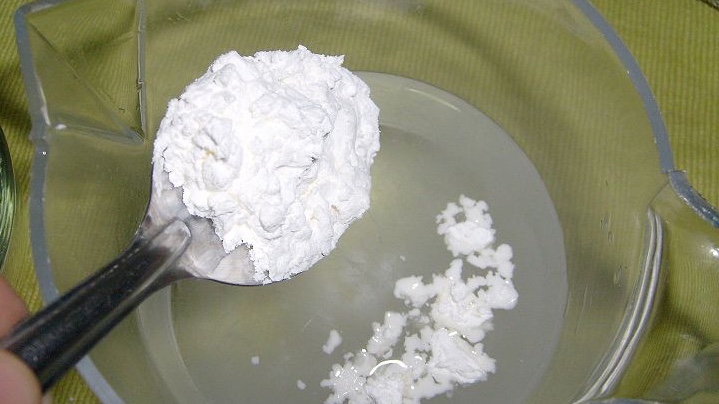
Starch is a natural biopolymer that is stored in plant cells as an energy storage substance in the form of starch granules. In cooking, corn, potato, or wheat starch is used for thickening sauces, as a cake glaze, for pudding and baked goods, and otherwise, for example, as an adhesive (wallpaper paste). |
| Chitosan |
|
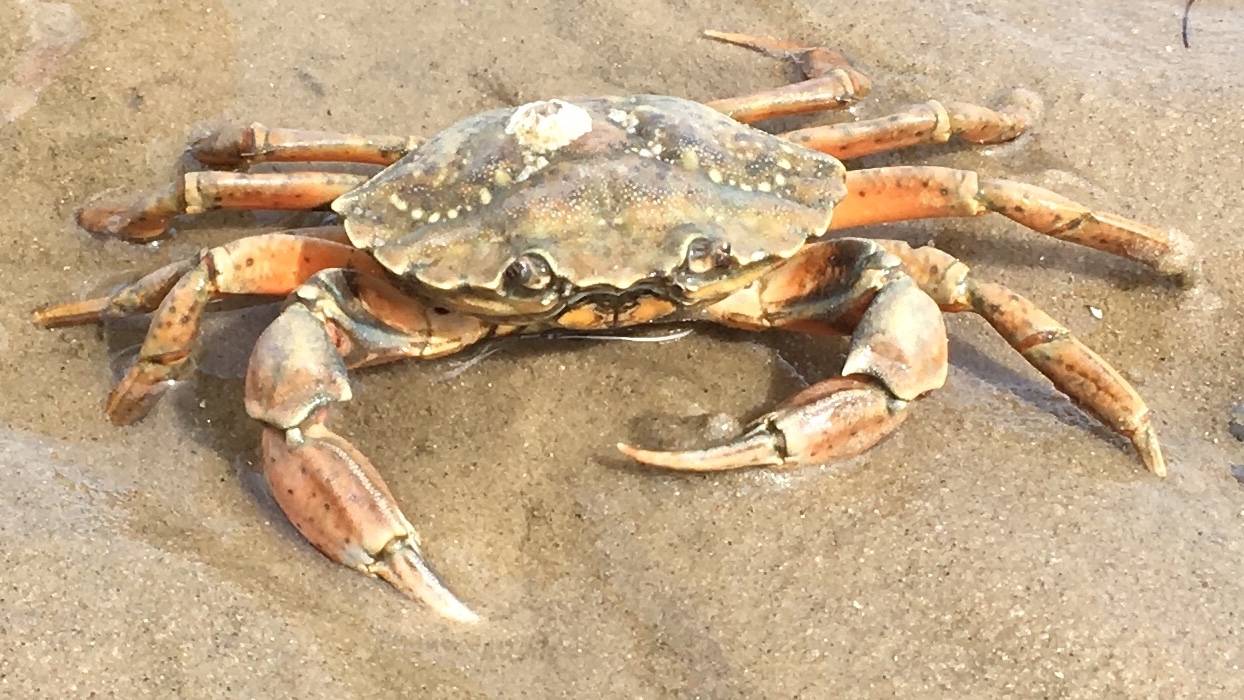
Chitosan comes from Greek and means shell or armor. It is obtained from chitin; the main source is the shells of shrimp and crabs. Chitosan is used, among other things, as a filter material for water purification or in sewage treatment plants. |
| Pectin |
|
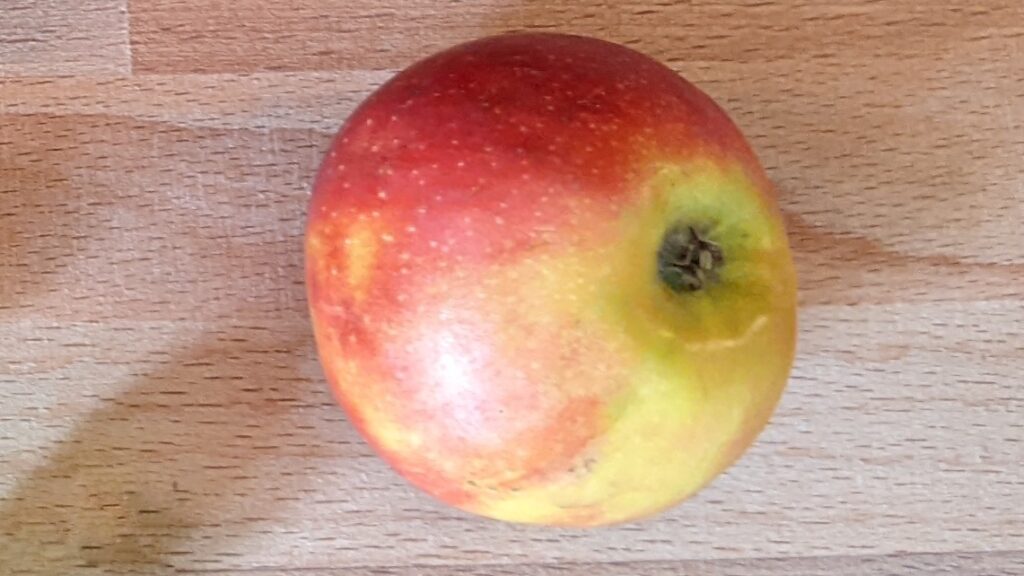
Pectins are found in the firmer parts of most plants, i.e., in stems, flowers, leaves, fruits, etc. Pectin is a good vegan alternative to gelatin because it is purely plant-based. It is mainly used when making jam. |
| Lignin |

|
Lignin is found in wood and woody plant parts such as straw. It is incorporated into the cell wall and provides the compressive strength and stability of plant tissues. |
Image sources:
Image 1: by Philmarin, excerpt from https://de.wikipedia.org/wiki/Cellulose#/media/Datei:Alg-frut-6.jpg License: CC BY-SA 3.0
Image 2: by Stemonitis, excerpt from https://de.wikipedia.org/wiki/Braunalgen#/media/Datei:Fucus_serratus2.jpg License CC BY-SA 2. 5
Image 3: by Picasa author Kalaya, excerpt from https://commons.wikimedia.org/w/index.php?curid=9939132 License CC BY-SA 3.0
Image 4 and 5: own work
Image 6: publicdomainpictures License: CC0 Public Domain

