Here you can download some experimental materials on our Kniffelix topics.
Our goal is to make educational materials freely available online for everyone, if possible, also in several languages, especially English. Therefore, we encourage you to leave feedback on our download materials in the comments so that we can continuously improve our materials and attract funding for translation.
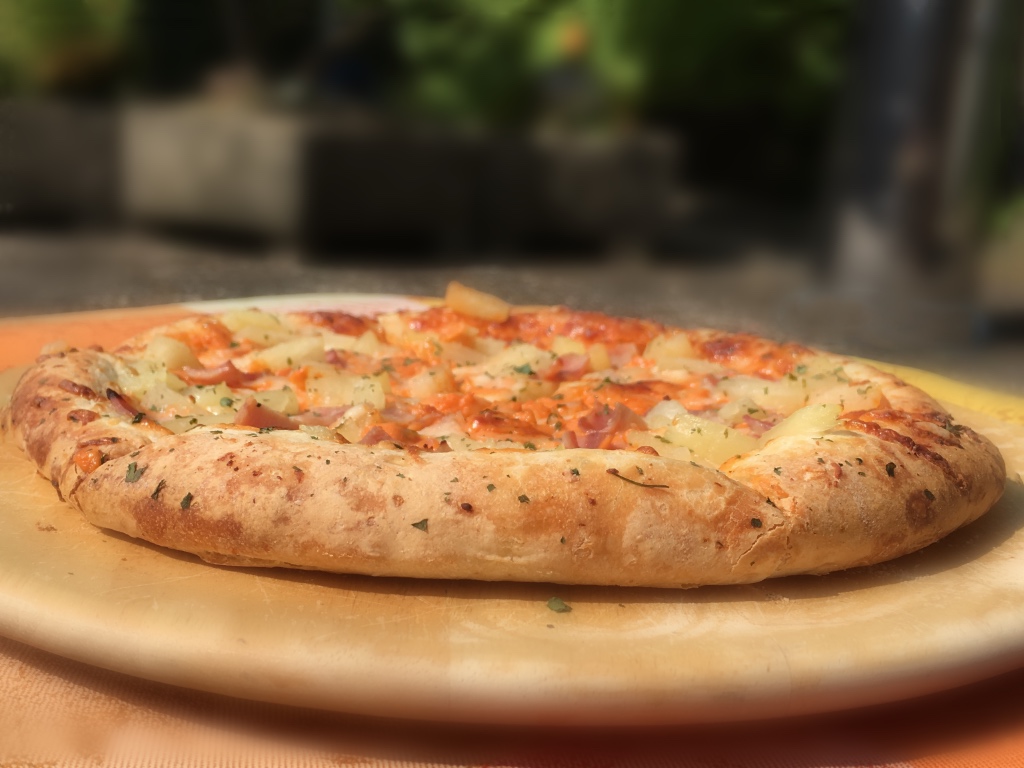
Kniffelix Pizza Riddle:
How do I make my pizza dough really fluffy? (Grades 3-13)
Science 3/4: Planning, conducting, and sharing experiments; presenting and discussing observations.
Science and Technology 5/6: From the very large to the very small—cells: miniature factories,
the diversity of life—growth and development (yeast experiments).
Science Lab 7-10: Food science—the chemistry, biology, and physics of baking.
Biology 7-9: Cells as the smallest living unit, matter and energy conversion in living organisms—fermentation experiments.
Biology S1-4: Life and energy: alcoholic fermentation.
Soil types and their water absorption: Which soil does my plant need?
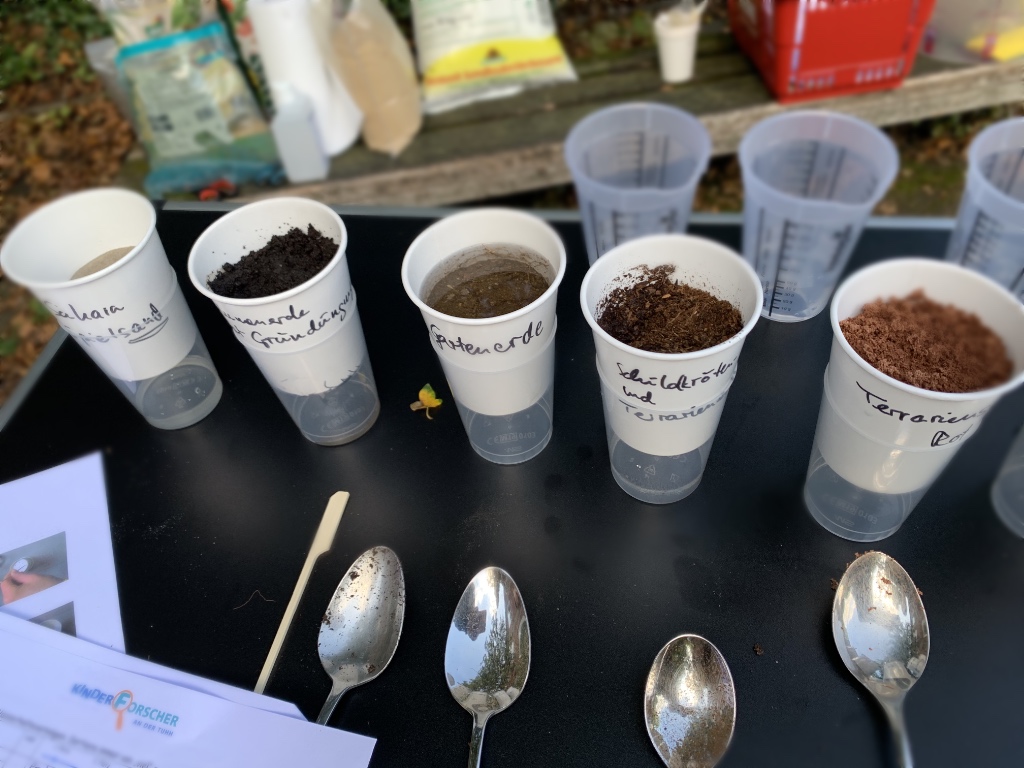
Topics addressed:
Science: Planning and carrying out experiments, presenting and exchanging observations, material properties, weather and climate
Science and technology: Land degradation and soil protection
Kniffelix Airplane Puzzle:
Centre of Gravity and Flight Behaviour (Grades 3-10)
Science 3/4: Tools and Equipment—Constructing, Modelling, and Optimising
Science Lab 7-10: Flying—Physics and Technology of Flying
Physics 7/8: Mechanics I – Motion, Force and Energy – Force, Lever
Kniffelix Ketchup Riddle:
Why does ketchup come out of the bottle in a gush? (Grades 3-6)
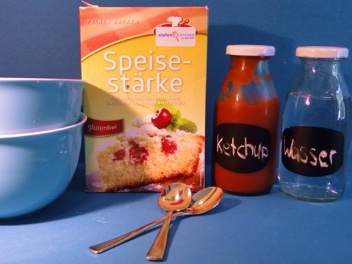
Subject knowledge 3/4: Planning, conducting experiments, presenting and exchanging observations, material properties;
Science and Technology 6: Substances—Experiments on material properties
From Helicopter Design to Mechanical Engineering
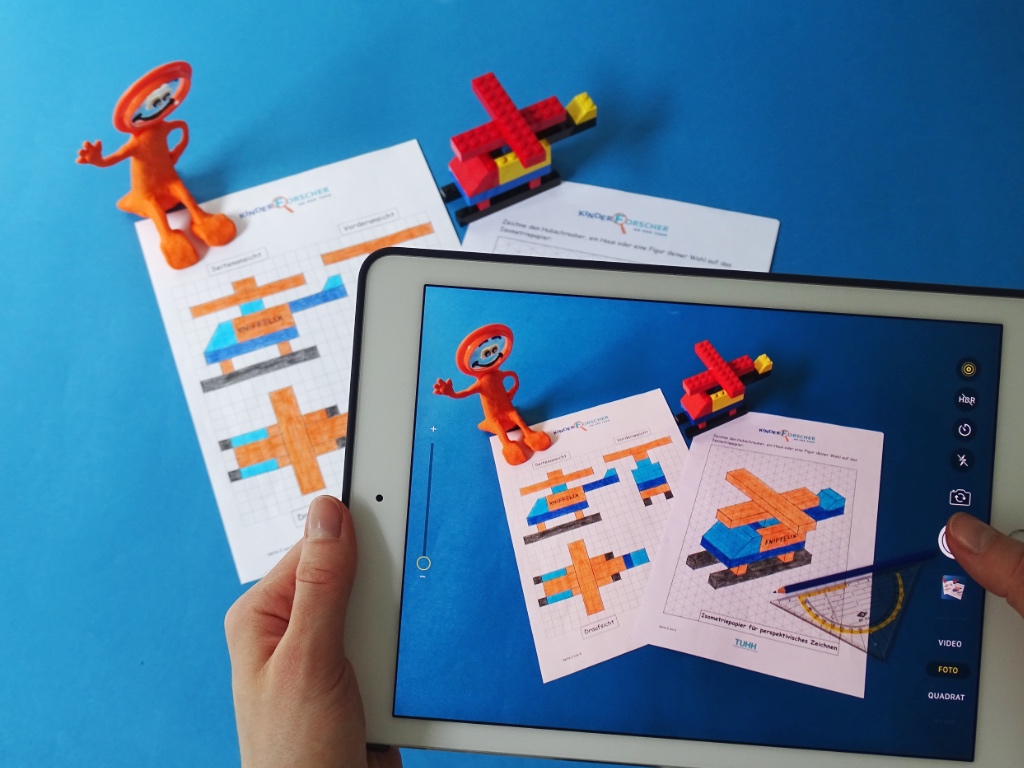
Topics addressed:
Science: Create building instructions and plans.
Science and technology: Representing solids (cuboids, cubes, and triangular prisms), mentally changing the position of geometric objects, and producing sketches of simple planes and spatial situations.
Kniffelix Wing Puzzles:
Wings and Lift (Grades 3-10)

Science lessons 3/4: Tools and equipment – Constructing, modelling, and optimising;
Science practical course 7-10: Flying—Physics and technology of flying
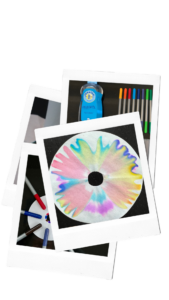
Kniffelix Chromatography Mission (Grades 6-13)
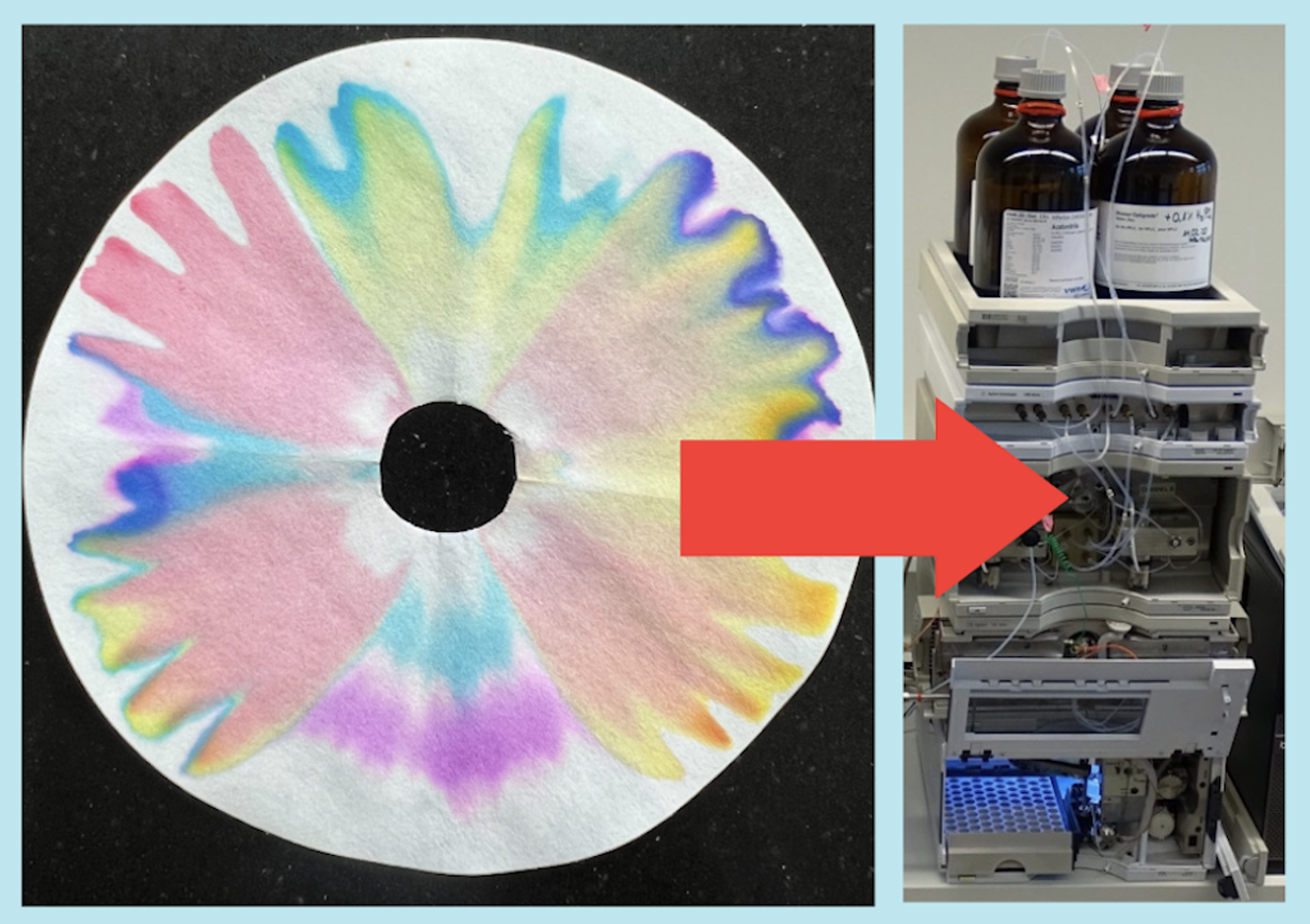
NWT 6: Substances and material cycles—Separation methods: Chromatography, leaf decomposition.
Chemistry 7-10: Properties of substances and separation of substances—separation methods;
Biology S1-4: Life and energy—Anabolic metabolism—Chromatography, for example, of leaf pigments.
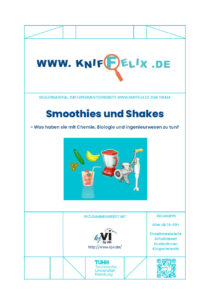
Kniffelix Smoothie Mission:
What do smoothies and shakes have to do with chemistry, biology, and engineering? (Grades 7-13)
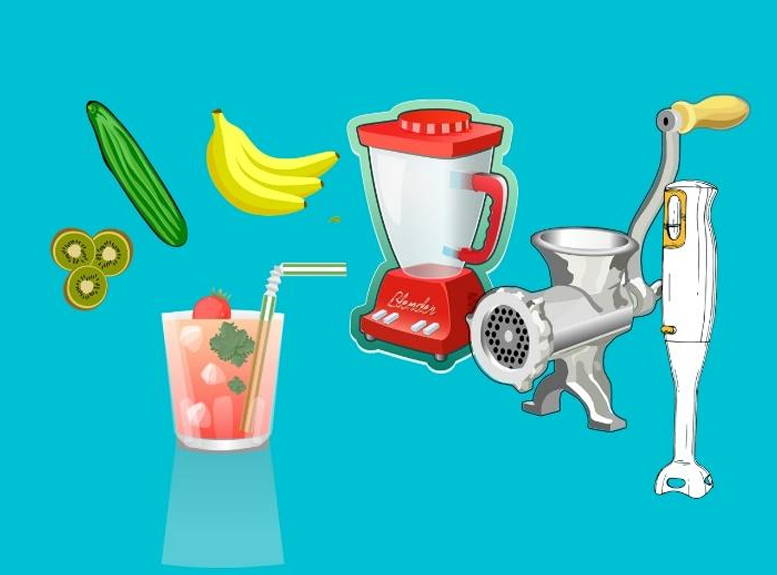
Chemistry: Properties and separation of substances – substances and mixtures, antioxidants
Biology: Enzymes
Kniffelix Aerogel Mission:
The lightest solid in the world (Grades 6-10)
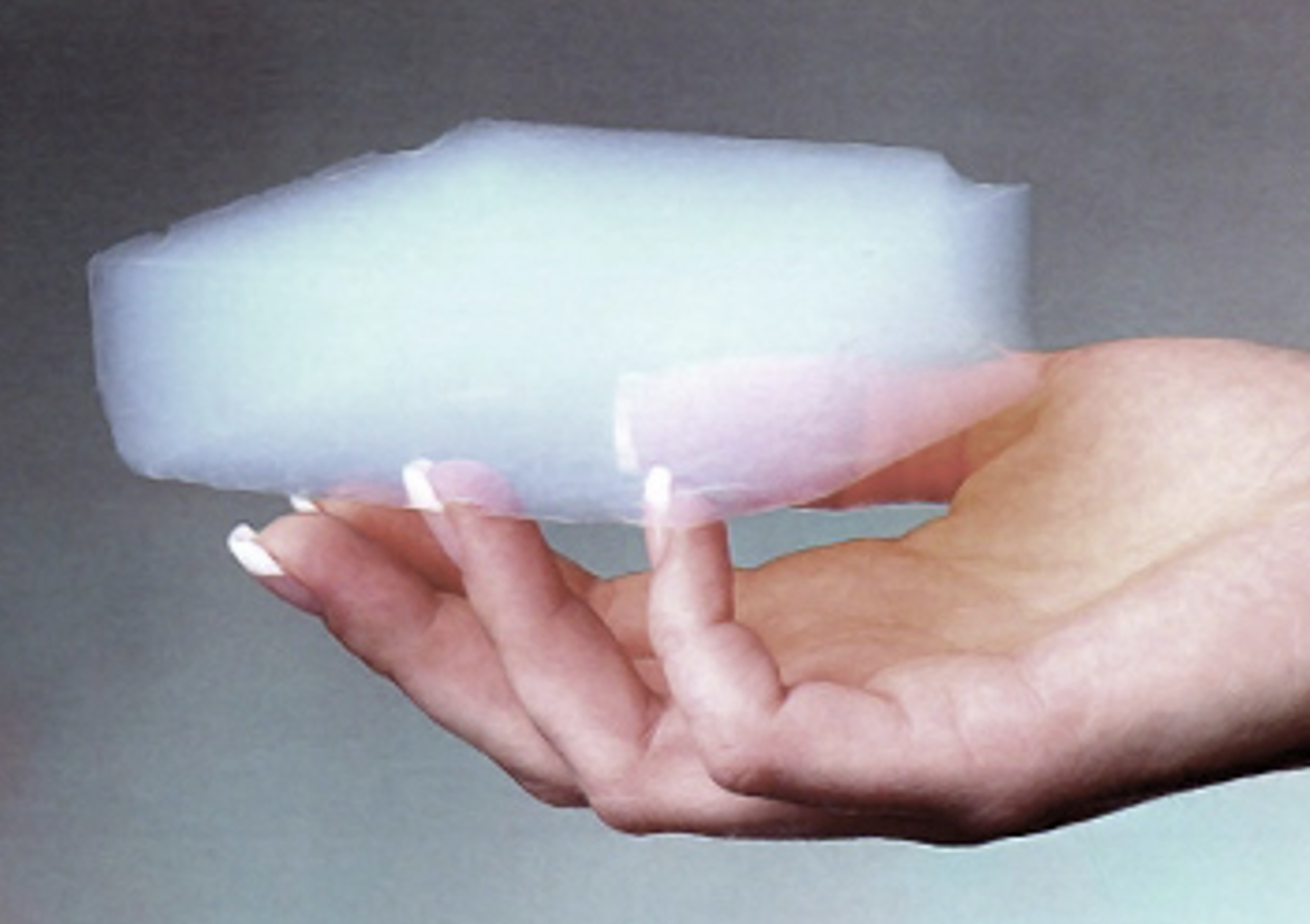
NWT 6: Substances and their properties, particle model, states of matter.
Chemistry 7-10: Properties of substances and separation of substances—substances and mixtures, particle model, states of matter, separation methods, renewable raw materials.
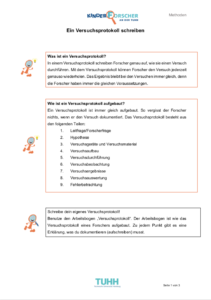
How does a researcher work, using yeast as an example?
Topics addressed:
Science lessons: gaining knowledge / trying out scientific working methods
Science and technology: Experimentation, diversity of life, exploring life forms, and investigating the adaptability of living organisms.
Biology: Cells, use of yeast in food production, enzymes, and catalysts

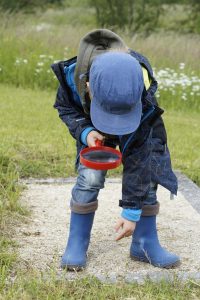 Im Gegensatz zu anderen Unterrichtskonzepten, bei denen die Wissensvermittlung durch den Lehrenden erfolgt, steht beim Entdeckenden Lernen der Lernende selbst im Mittelpunkt. Statt die Lerninhalte nur dargeboten zu bekommen, bringt er sie selbst in Erfahrung. Das selbstständige Handeln des Lernenden steht demnach im Vordergrund.
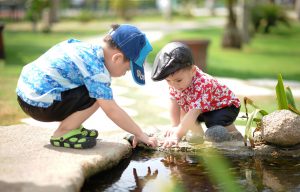 Für Kinder ist das Experimentieren eine Möglichkeit, ihre Umwelt spielerisch zu erkunden und ihren Forscherdrang auszuleben. Es sollte daher nicht darum gehen, den perfekten Lösungsweg zu finden. Ziel sollte es vielmehr sein, die Neugier der Kinder zu wecken und sie dazu anzuregen, Beobachtungen in ihrem Alltag zu hinterfragen.
 Um eine Experimentierstunde anzuleiten, bedarf es Planung im Vorfeld. Sie benötigen einen Fahrplan, wann was wie gemacht werden soll. Doch keine Bange! Der Fahrplan für Ihre Stunde ergibt sich, wenn Sie sich einmal näher mit dem Ablauf von Forschung beschäftigen. Ein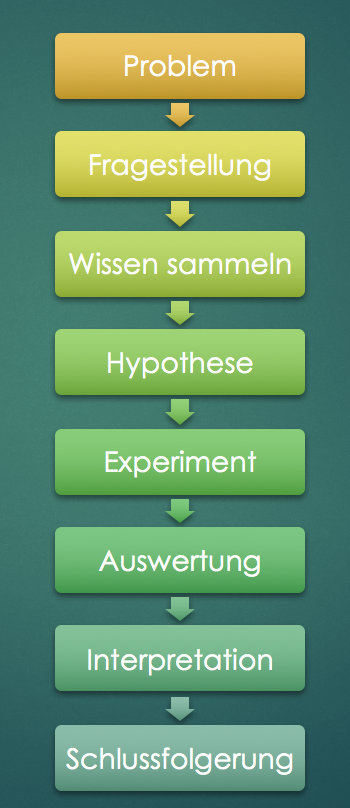
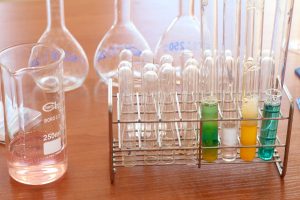 Denkt man an ein Experiment, kommen einem schnell Bilder von Laborexplosionen und Wissenschaftlern mit angesengten Haaren in den Sinn. Bei einem Experiment werden jedoch nicht wahlweise Chemikalien zusammengeworfen bis es knallt. Ganz im Gegenteil! Das Wort Experiment stammt aus dem Lateinischen und bedeutet soviel wie Probe oder auch Beweis.
 Experimente sind Teil eines größeren